

Health and safety on every freight job
Safety is built into how we plan, operate and deliver every freight job. From vehicle and load checks through to driver preparation, customer site requirements and changing conditions on the road, we manage risk throughout the job.

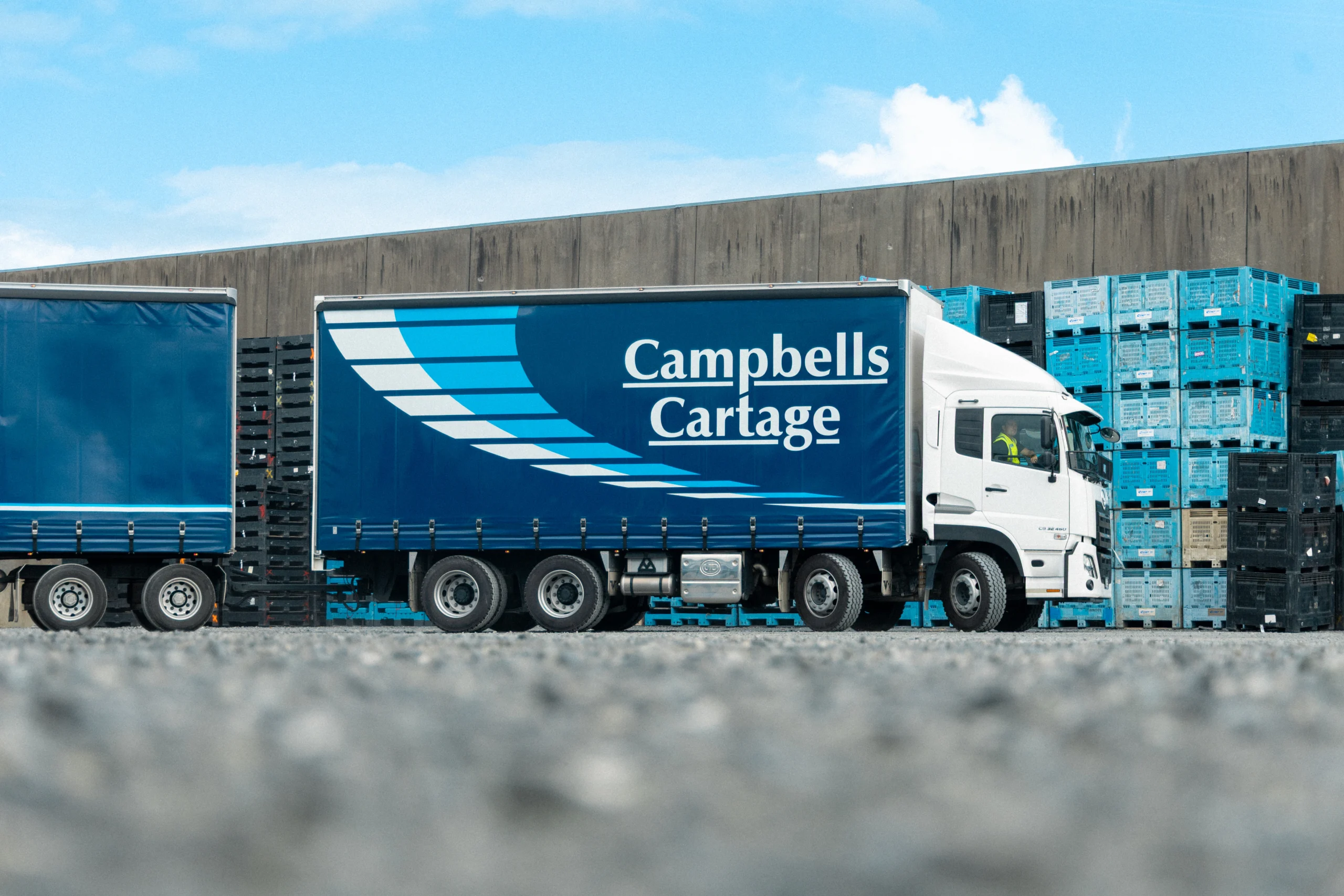
Safety starts before the truck leaves
Every job has its own requirements. Before dispatch, we consider the freight, vehicle, route, load restraint, driver and any known site requirements so the job is planned properly from the start.
Our drivers complete pre-start checks and are expected to understand the job before they leave the yard. If something is unclear or conditions change, they are expected to stop, reassess and contact Operations before continuing.
You know your site best. Sharing changes to access, loading areas or on-site activity before a delivery helps us plan safe freight handling around your people and operation.
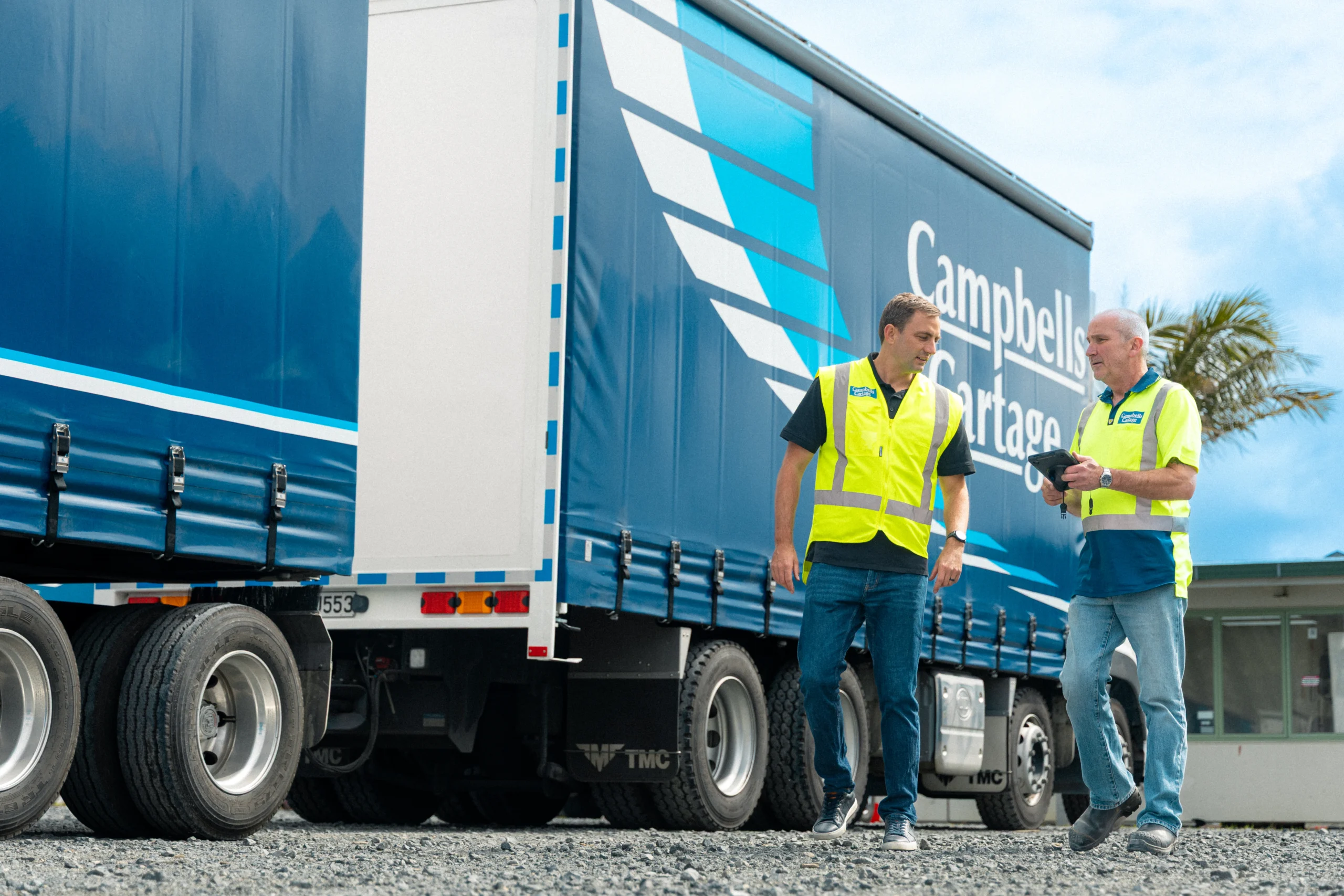
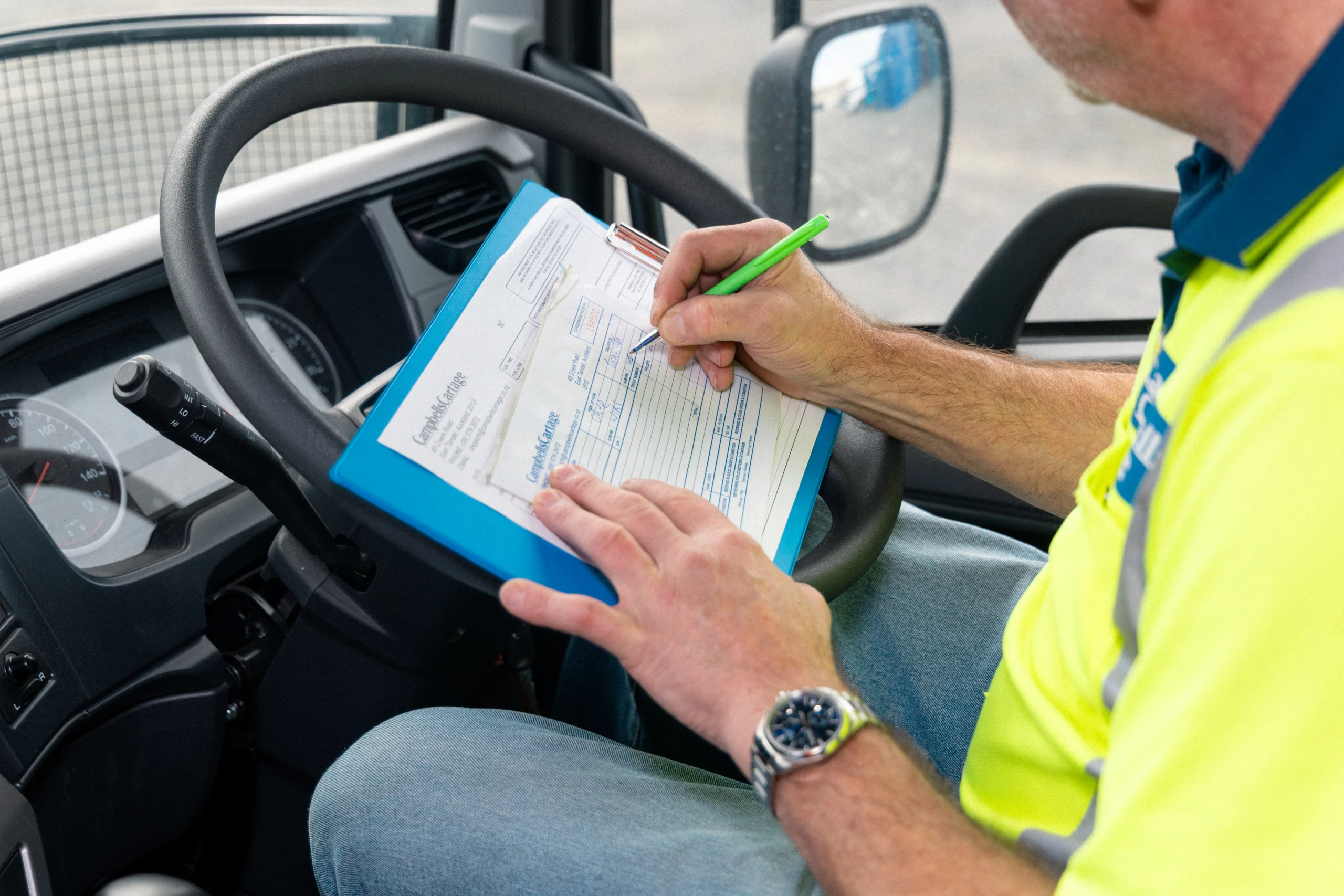
Drivers prepared for your job and your site
Our drivers are trained to work safely within customer operations, not just to drive the truck.
Before arriving on site, they are expected to understand the job requirements and follow any site-specific instructions, inductions and controls that apply.
Our driver training and checks cover:
Vehicle pre-starts and defect reporting
Work time, fatigue and driver fitness
Load restraint and load security
Forklift operation and loading areas
Site rules, pedestrian and exclusion zones
Hazard, near miss and incident reporting
Communication and escalation when something changes
We keep training records and provide refresher training when requirements change, a gap is identified or an incident shows it is needed. Toolbox talks keep drivers informed about current risks, customer requirements and lessons from recent events.
Vehicles and loads ready for the road
Safe transport depends on both the vehicle and the load being right for the job.
Our vehicles are maintained through planned servicing, inspections and defect reporting, supported by daily driver pre-start checks. Any defect that could affect safe operation is reported and addressed before the vehicle continues in service.
We also consider the freight itself — including weight, configuration, restraint and how the load will behave in transit. Drivers are expected to check that loads are secure before leaving and reassess them where required during the journey.
If a vehicle or load is not safe to move, it does not move until the issue is resolved.
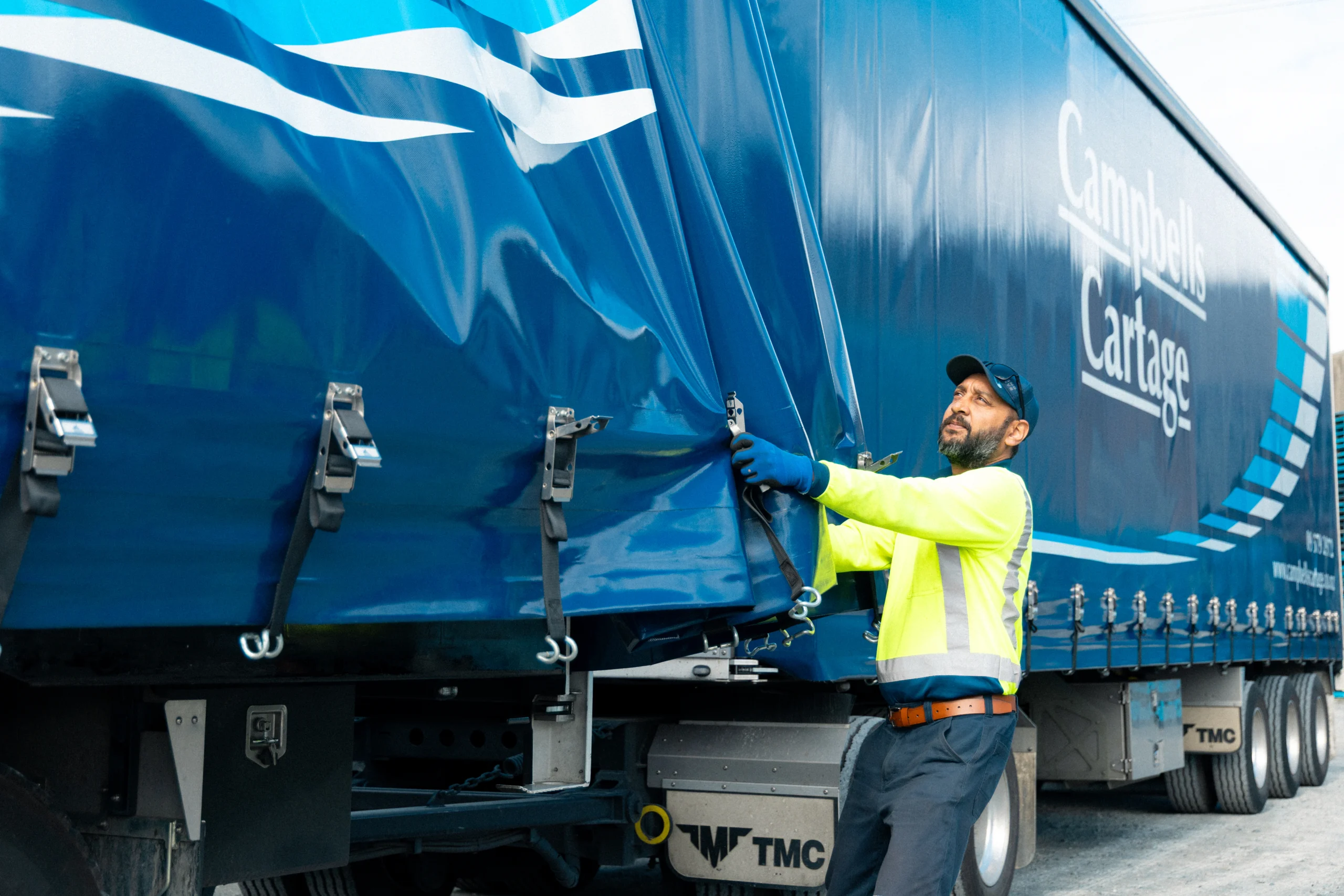
Working safely at your site
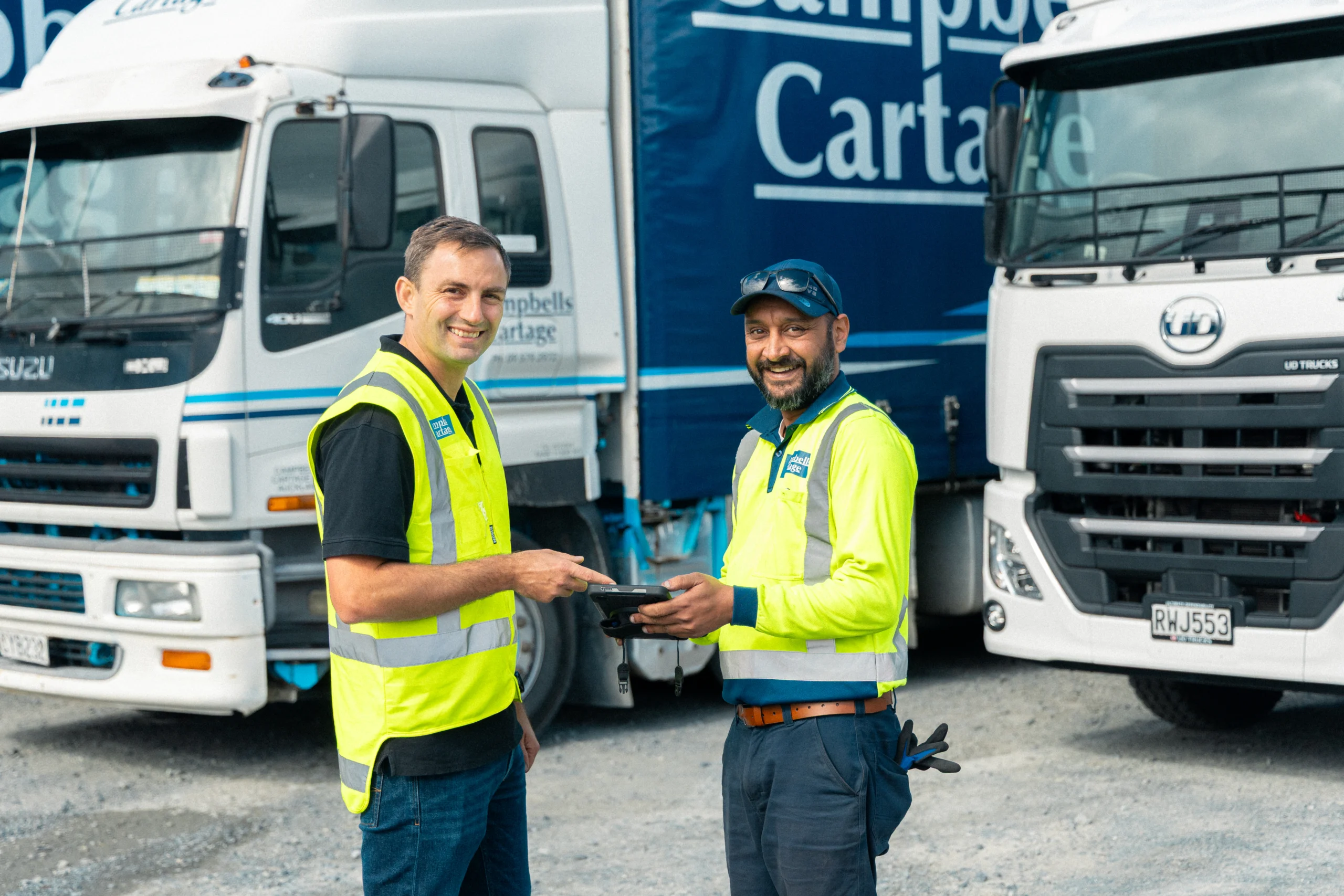
When our drivers enter your site, they are follow your site rules and work within the controls you have in place.
That includes site inductions, traffic management, pedestrian and exclusion zones, PPE, loading and unloading procedures, and any other site-specific requirements.
Where risks are shared between Campbell’s and your business, we communicate, clarify responsibilities and agree how the work will be carried out safely.
If site conditions are different from what was expected, our drivers are expected to stop, reassess the risk and get guidance before continuing.
Trained drivers. Safer decisions.
Safe transport depends on drivers who understand the job, recognise changing risks and know how to respond.
Our drivers are trained to assess conditions as the work progresses, apply the right controls and make practical decisions within their training, site requirements and procedures. Where something falls outside those controls, they know when to involve Operations or the customer.
Report. Review. Improve.
We expect hazards, near misses and incidents to be reported promptly so they can be reviewed and the right action taken.
Where further investigation is needed, we gather the facts, look at contributing causes and identify what needs to change. Corrective actions are recorded and followed through so lessons are carried back into our systems, training and day-to-day operations.
Safe Work. Honest Reporting. Better Every Time.
Working safely together
Transport often involves Campbell’s working alongside customers and other businesses, particularly during loading, unloading and vehicle movements on site.
We understand our responsibilities under New Zealand health and safety law and work collaboratively where duties overlap. That means sharing relevant information, understanding the controls already in place and coordinating how the work will be carried out.
Our aim is simple: clear responsibilities, practical controls and no unnecessary duplication, so the job can be completed safely and efficiently.

The systems behind safe delivery
We back our safety commitments with documented systems, practical controls and records that show how those systems are applied day to day.
Our Health, Safety and Environment Management System is supported by policies, procedures, driver training, vehicle inspections, maintenance records, incident management and corrective-action processes.
We also work within the TruckSafe framework, which provides an independent industry benchmark across areas such as safety management, driver management, vehicle standards, maintenance and compliance.
For customers completing contractor or supplier due diligence, we can provide relevant safety and compliance information to support your assessment.
Want to talk health and safety?
If you want to discuss site requirements, contractor due diligence, shared responsibilities or how we manage health and safety across our operation, talk to us.

Rex Potter, Owner and General Manager
For new freight and operational requirements, contact Rex.
Phone:
Email:

Kaitlin Potter, Human Resources and Health and Safety
For health and safety, compliance or due diligence enquiries, contact Kaitlin.
Phone: