

Practical steps towards more sustainable road freight
We’re improving how we plan freight, use our vehicles and renew our fleet. With a focus on practical changes that address the environmental impact of our work while keeping your commercial freight moving across Auckland, Hamilton, Tauranga and Northland.

Improvement starts with everyday decisions
Our approach to sustainable road freight starts with the work in front of us: choosing the right vehicle, planning the route and helping drivers make good decisions on the road. Alongside fleet renewal, these are practical ways we can work towards reducing avoidable fuel use and emissions.
Any changes we make need to work for your business too. We consider your load, delivery times and site requirements to make sure your freight is handled safely, efficiently and reliably.
Better planning for the freight you move
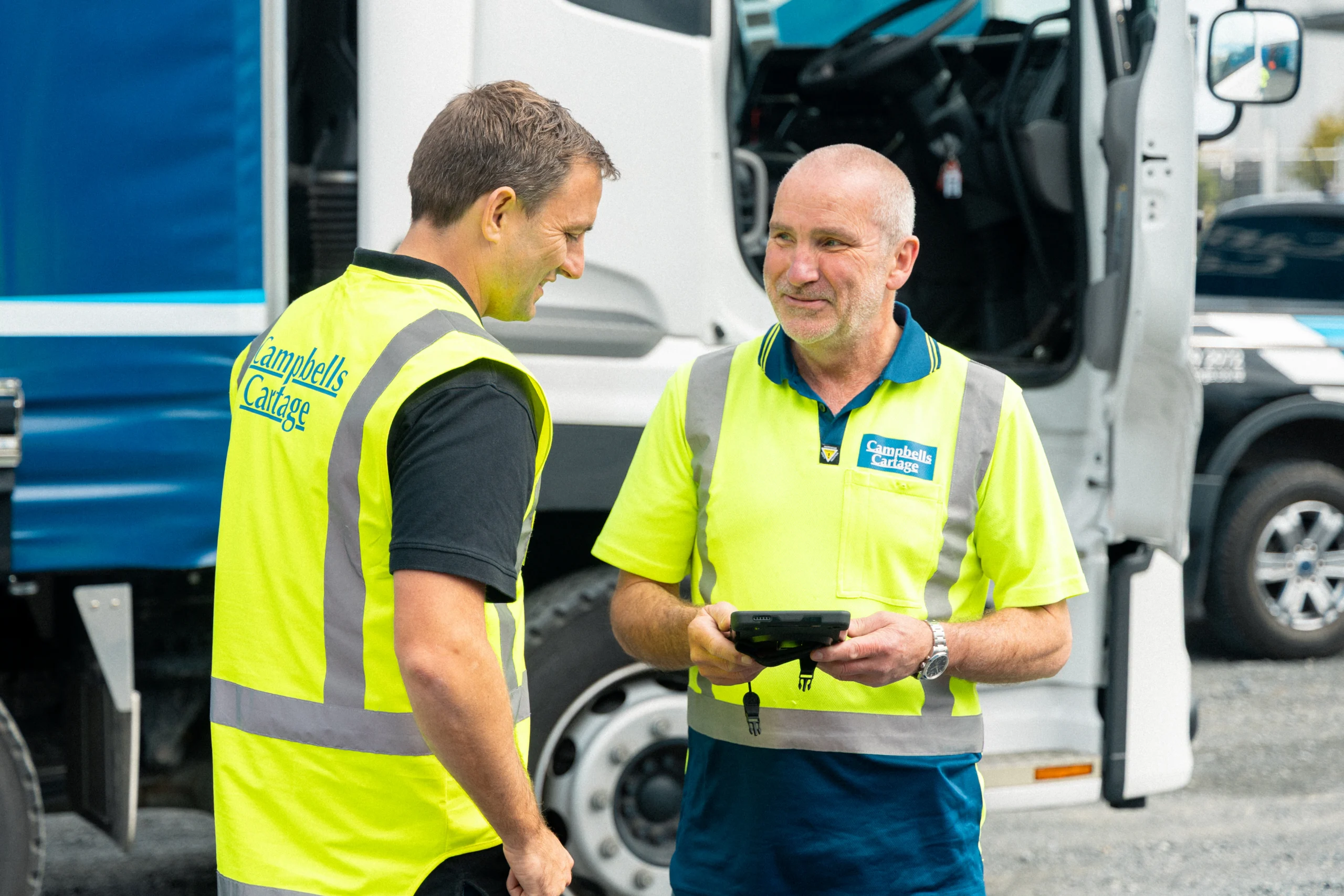
We use EROAD information to monitor driving, fuel use, idling and vehicle activity. It helps us identify opportunities to improve fuel efficiency and gives our drivers practical feedback on how they operate their vehicles.
When allocating work, we match the vehicle to the load, route and delivery requirements. We also look at route efficiency, using vehicle-location information and return-load opportunities where practical to avoid unnecessary kilometres.
Knowing your regular freight requirements helps us plan around the journeys you need, including collection times, loading arrangements and delivery windows.

Reviewing driving patterns
EROAD information helps us review driving events such as harsh braking and identify where feedback or coaching is needed.
Supporting our drivers
We use reporting to guide practical conversations with drivers about safer, smoother driving and how vehicles are used.
Route planning and return loads
Where timing, freight and capacity allow, we look for return loads that make better use of a journey and limit empty running.
Reducing unnecessary idling
Idling information helps us identify avoidable engine running and work with drivers on when it can be reduced.
Investing in our vehicles
Investing in newer vehicles helps us keep your commercial freight moving safely and reliably. As we renew our fleet, we choose vehicles that suit your delivery requirements while meeting tighter standards for harmful exhaust emissions.
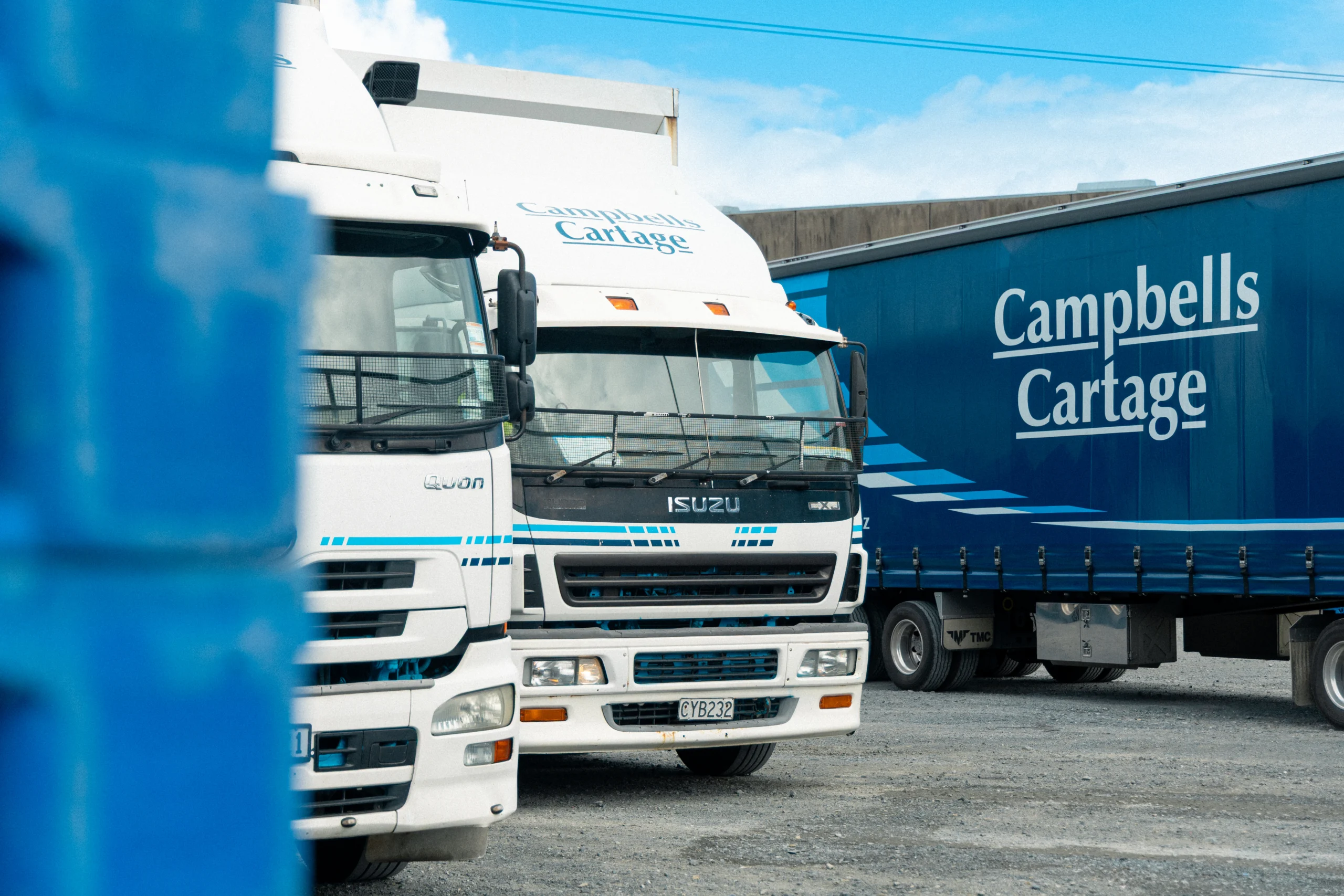
In 2026, we added a UD Quon Euro 6 truck and TMC trailer to our fleet. Its newer engine technology meets tighter limits for harmful exhaust pollutants, helping reduce the impact on air quality in the communities we travel through.
When choosing replacement vehicles, we consider safety, reliability, load capacity and route requirements alongside emissions performance. That means investing in vehicles suited to your freight and the sites we deliver to, with the payload and range needed to do the job.

Continuing to improve how we move your freight
We’ll continue reviewing fleet efficiency and assessing new vehicle technology against the demands of our work. Any investment needs to be safe, reliable and commercially workable, with the capacity to support your regular freight requirements.
As we make changes, we’ll share what we can support with reliable operating information. For now, our focus is on practical improvements to how we plan the work, support our drivers and replace older vehicles.
Connect with Rex to discuss your regular freight requirements and how we can support your business.

Call Rex
Phone:
Email: