

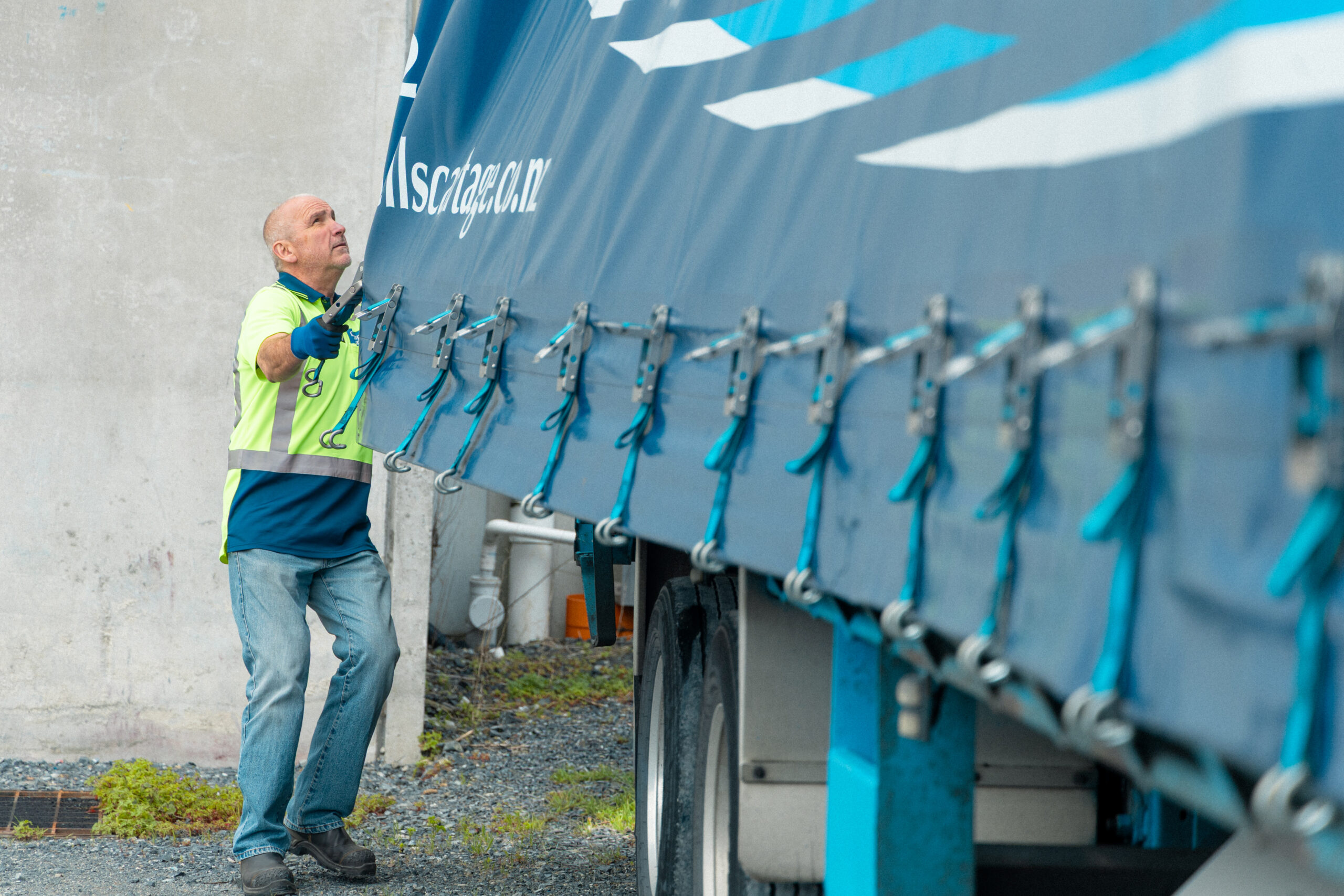
Strong safety systems for freight transport help protect more than the load. When you choose a transport provider, you trust another business to enter your sites, work alongside your people and represent you when delivering to your customers. You need confidence that its drivers understand the work, that concerns will reach someone who can act, and that management will take responsibility when a delivery does not go to plan.
At Campbells Cartage, our work towards TruckSafe certification has focused on strengthening the policies, processes and systems behind those everyday decisions. Capable people need clear guidance and support, particularly when conditions change. For our customers, the value lies in how those arrangements work together: drivers who know what is expected, dispatchers who can respond to changing requirements and management that follows issues through.
What provisional TruckSafe certification means
TruckSafe New Zealand is an industry-led safety management programme developed for transport operators. It provides a framework for reviewing how a business manages the risks involved in running a fleet, employing drivers and moving freight. External assessment forms part of the programme, giving operators a structured way to examine their systems and the evidence supporting them. For customers, it provides context for understanding the work a transport business is doing to manage safety.
Campbells has completed the online audit and received TruckSafe provisional certification, with an independent onsite audit still to follow. Under TruckSafe’s assessment process, the online stage reviews whether the required systems, policies and procedures are in place. The onsite audit then checks evidence that those systems are being used in practice. Provisional certification is therefore a milestone on the path to full certification, rather than confirmation that the full assessment has already been completed.
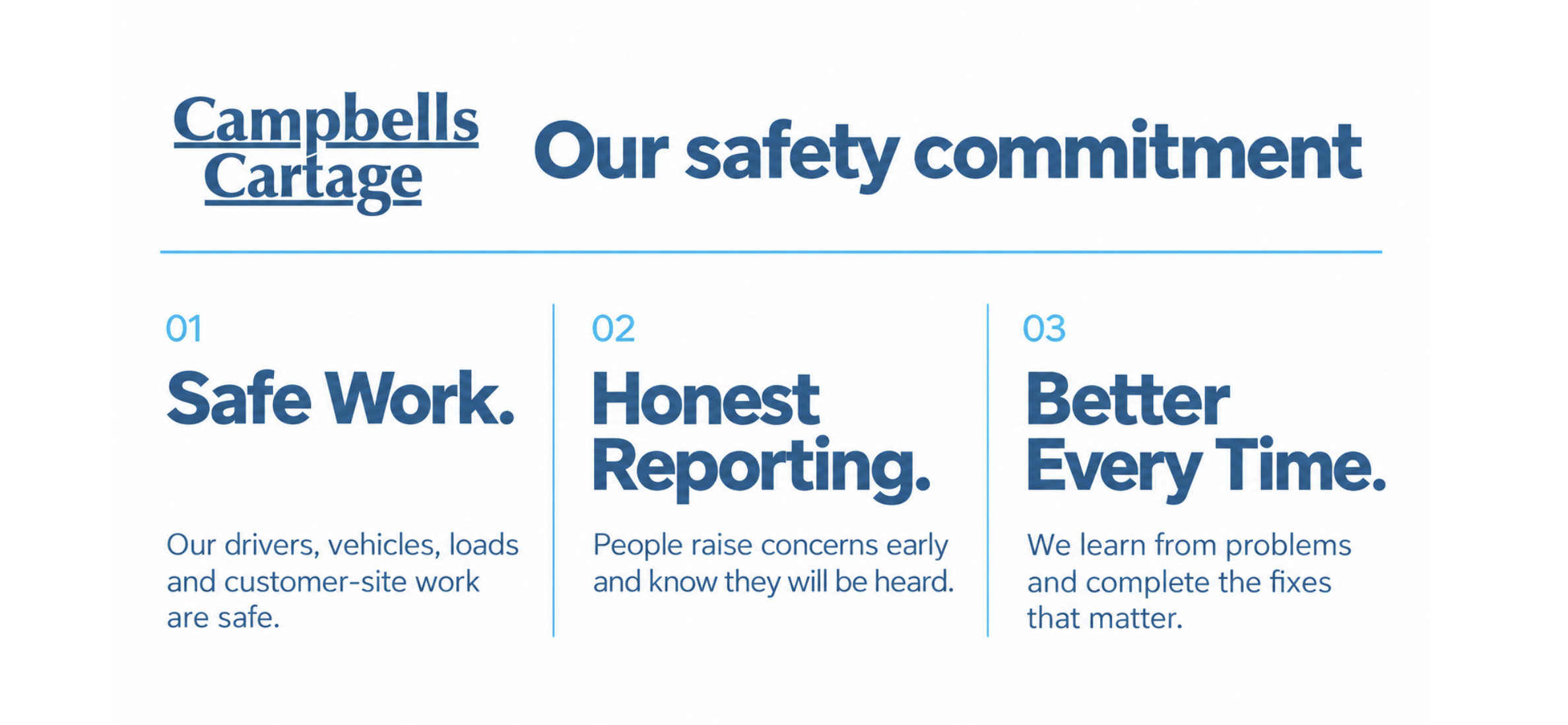
Our work towards TruckSafe builds on the standards we already expect at Campbells, guided by our safety commitment: “Safe Work. Honest Reporting. Better Every Time.” Preparing for assessment gives us an opportunity to review established practices, identify where they need strengthening and bring the supporting records together. The purpose is to make those practices useful to the people carrying out the work and to help management understand where further attention is needed.
Preparing our people and vehicles for the work
Driver training and site safety are closely connected. We work with drivers to understand the risks they encounter, reinforce customer-site requirements and encourage prompt reporting of incidents, near misses and concerns. That involvement matters because drivers see conditions that may not be apparent from a booking or job instruction. Their experience helps us understand how the work is actually being carried out and where guidance, training or support may need to change.
EROAD information, including speed and harsh-braking reports, supports these conversations. We review driving practices with the people behind the wheel, consider the circumstances and identify where coaching or other action is needed. A report can draw attention to an event, while the driver’s account helps explain what was happening at the time. Together, these provide a more useful basis for discussing decisions and agreeing practical improvements than looking at an event without its context.
The same attention applies to our fleet. Daily commercial vehicle safety checks, defect reporting and scheduled maintenance help us identify concerns and arrange repairs, with clear responsibility for assessing what needs to happen next. Recording a defect is one part of that process; ensuring it reaches the right person and receives appropriate attention is another. TruckSafe provides a framework for reviewing these practices and the evidence behind them, supporting a consistent approach across the business.
Clear systems also help when a job changes. A load may differ from the booking, site access may be restricted or the expected unloading equipment may be unavailable. Drivers and dispatchers need to recognise when the original plan should be reconsidered, raise the concern and seek direction before proceeding. If unloading equipment is unavailable, for example, the next step is to contact the relevant people and agree how the delivery can be managed safely. Management remains accountable for providing that support and following through on the issue.
Reporting and meaningful follow-through
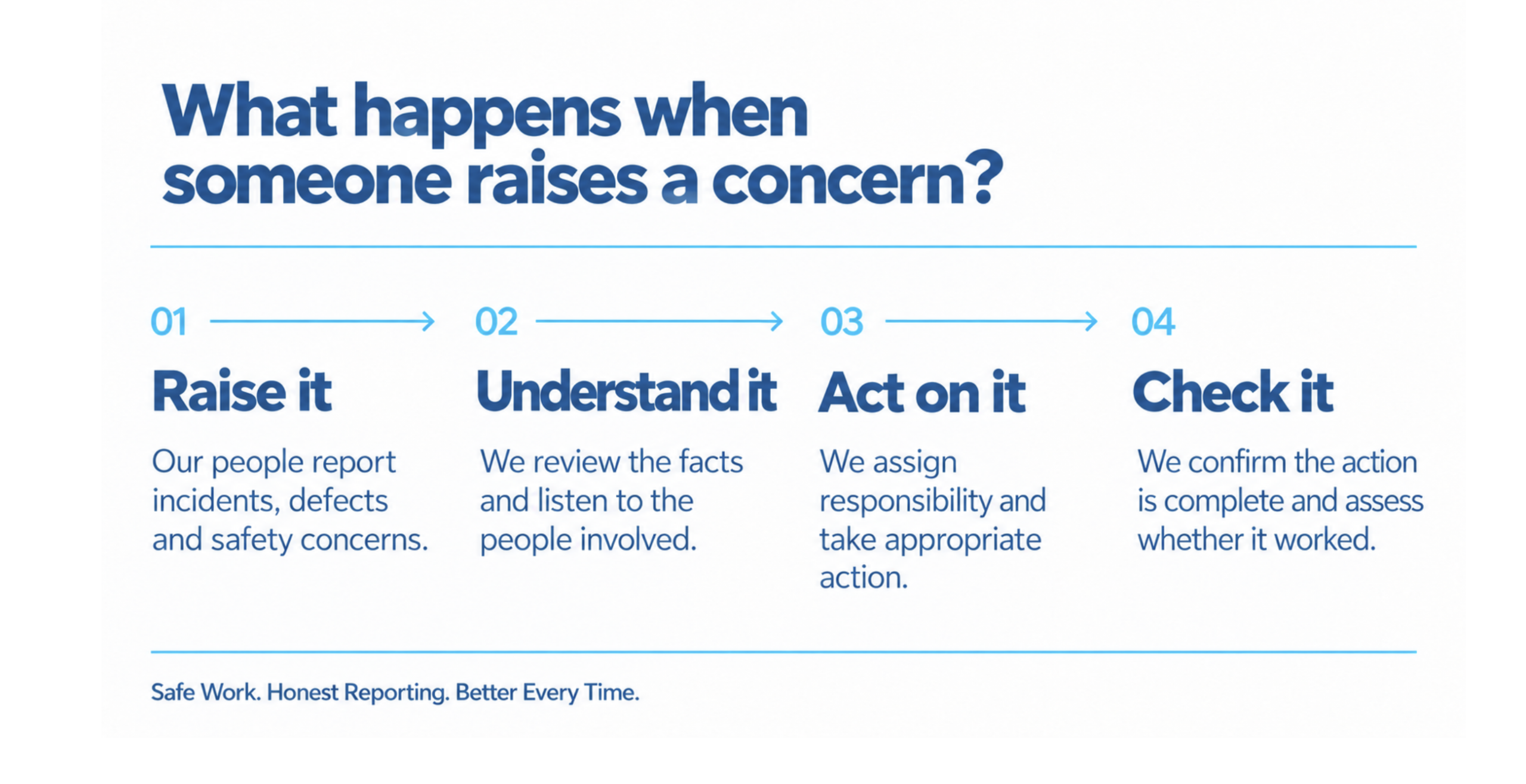
Trust depends on knowing that concerns will be raised and agreed actions completed. We train our people to record and report issues, keep records and review corrective actions to check whether they have addressed the risk. External assessment adds scrutiny, but the daily standard is set by how we respond to information from our team and customers. A process is useful when it leads to a decision, an action and a check that the action has made the intended difference.
When assessing transport contractor safety, those everyday practices matter alongside certification. Customers should be able to understand who takes responsibility when something goes wrong and how lessons are carried into future work. Our health and safety approach explains more about driver competency, vehicle maintenance and the way we work with customers on shared site requirements. These are practical parts of the service, helping both teams understand how the work will be managed.
Reaching provisional certification is a meaningful step, and maintaining effective systems remains an ongoing responsibility. Training must stay relevant, corrective actions must be completed and arrangements reviewed as the work changes. We want customers to experience that commitment through capable drivers, clear communication and management that takes responsibility. Those are the everyday standards behind our commercial freight services and the long-term relationships we work to build with customers.
If you have regular freight requirements or particular safety arrangements at your sites, talk to our team about how the work can be planned and managed. We can discuss your operation, the people involved and the details that matter before your freight moves.
Contact Campbells Cartage today to discuss your freight requirements.
